


Discover Kia Factories From Seoul To Georgia
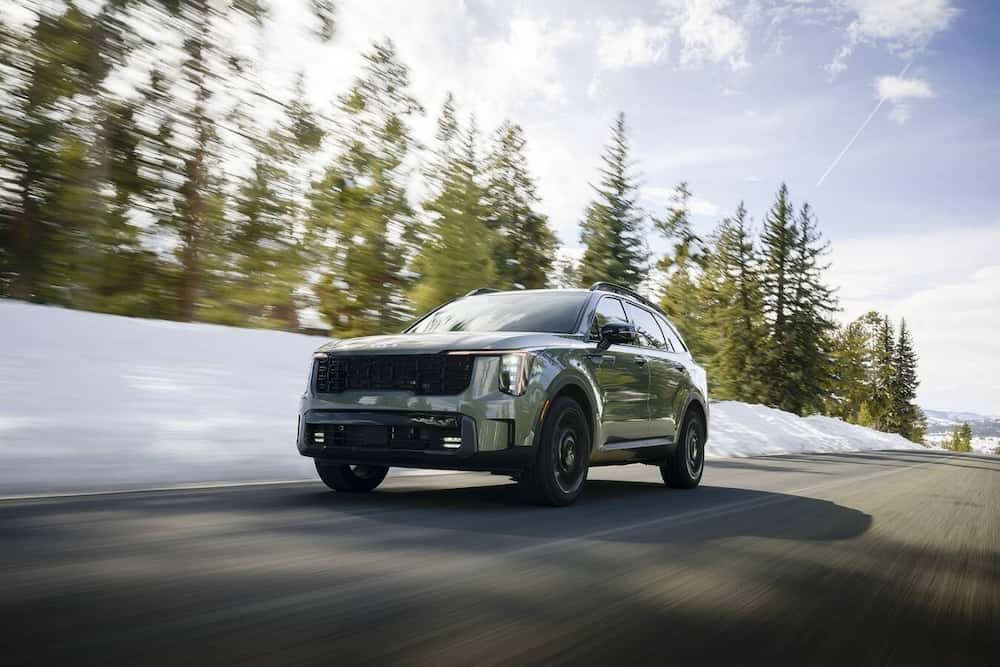
Photo Source/Copyright: Kia
Highlights
- A brief history of the Kia brand and its transformation into a global mobility leader.
- A comprehensive list of the manufacturer’s global production and assembly facilities.
- A breakdown of specific Kia models and their distinct manufacturing origins.
- An overview of the automaker’s advanced global manufacturing strategy and continuous technical innovation.
Where is Kia made? Kia manufactures vehicles at 14 state-of-the-art facilities across eight different countries, with primary production hubs anchored in South Korea, the United States, Slovakia, and Mexico. Picture a global assortment of automated robotics and skilled engineers working in harmony; whether a vehicle navigates a snowy mountain pass or a bustling city street, its journey begins in a highly organized manufacturing network dedicated to automotive excellence.
Kia History and Origins
- 1951: The company transitioned from its original bike parts and steel business to successfully produce South Korea’s first domestic bicycle.
- 1952: The enterprise officially adopted the name Kia Industries and accelerated its industrial growth into motorcycle production.
- 1962: The manufacturer launched the K-360, marking its ambitious entry into the commercial vehicle market.
- 1973: Kia opened the Sohari Plant in South Korea, establishing the nation’s very first large-scale, fully integrated car factory.
- 1992: Kia officially entered the U.S. market, successfully expanding its footprint and introducing its vehicles to American drivers.
Manufacturing Locations
- Autoland Gwangmyeong, Autoland Hwaseong, Autoland Gwangju, and Seosan Plant (South Korea)
- West Point Plant (Georgia, United States)
- Monterrey Plant (Pesquería, México)
- Žilina Plant (Slovakia)
- Yancheng Plant (China)
- Anantapur Plant (India)
- Chu Lai Plant (Vietnam)
- Lucky Motor Corporation Assembler (Pakistan)
- ADM-Jizzakh Facility (Uzbekistan)
Kia Models and Origins
- Kia Telluride: This premium SUV is manufactured exclusively at the West Point, Georgia, facility for the North American market. Building this popular vehicle domestically allows the automaker to avoid import tariffs while simultaneously supporting local jobs.
- Kia Sorento and Sportage: Both the Sorento and Sportage SUVs roll off the assembly lines in West Point, Georgia, establishing a robust American-made lineup. Additional production of the Sportage also takes place in South Korea, Slovakia, and China to efficiently meet global demand.
- Kia K5: The sleek K5 midsize sedan shares the manufacturing floor at the Georgia plant alongside its larger SUV counterparts. Secondary manufacturing for this vehicle takes place in Hwaseong, South Korea, ensuring a steady supply chain across international markets.
- Kia Soul: The distinctively styled Kia Soul is built entirely as an imported model originating directly from the Gwangju facility in South Korea. Centralizing the production of this compact vehicle allows engineers to maintain rigorous, highly concentrated quality control protocols before global export.
- Kia Carnival/Sedona: Production of this spacious multi-purpose vehicle remains anchored at the historic Autoland Gwangmyeong plant in South Korea. By keeping Carnival assembly domestic, the brand leverages decades of specialized expertise at its oldest integrated automotive facility.
Global Manufacturing Overview
Kia operates 14 manufacturing plants in 8 countries and produces around 3.1 million vehicles annually. This footprint enables the company to reduce shipping times, lower costs, and adapt vehicles to local regulations and tastes.
That said, research and development sites in South Korea, the United States, Japan, and Germany drive innovation. Engineers there collaborate on everything from electric vehicle platforms to safety systems, ensuring consistent quality regardless of assembly location. Modern plants incorporate advanced robotics and quality assurance processes that meet or exceed international standards, supporting Kia’s strong reliability ratings.
This decentralized yet coordinated approach helps Kia deliver vehicles that combine Korean engineering precision with regional relevance. Whether a model rolls off the line in Georgia or Gwangju, buyers can expect the same commitment to durable construction and thoughtful design.
Why Kia’s Worldwide Manufacturing Network Matters
Kia’s answer to “Where is Kia made?” is simple and broader than many customers expect: it is built in Korea and around the world, with each plant serving a specific market role. That is a strong sign of a mature automaker, and it gives buyers useful context when comparing models by origin, powertrain, and trim.
Kia’s manufacturing story is global, organized, and still expanding. That makes the brand easier to understand, and it gives shoppers a clearer picture of where each model begins its journey.
More from Miami Lakes Kia
The SUV Kia Soul Fits Daily Driving
Photo Credit: Kia A Standout Crossover Finding a car that handles daily traffic without looking like every other silver crossover on the Expressway isn’t easy. That’s usually where the SUV Kia Soul comes into the conversation. It has kept its distinct, boxy profile since its debut, but what keeps local drivers coming back…
Drive The Kia Sportage X Line Today
Photo Source/Copyright: KIA Driving the New Kia Sportage X Line Finding an SUV that looks distinct and handles everything from suburban traffic to weekend trips down to the Keys isn’t always easy. The Kia Sportage X Line brings a fresh look to the lineup, pairing rugged styling tweaks with solid utility. Available now at…
Kia Forte Review, Prices, and Specs Guide
Photo Credit: Kia Kia Forte Model Review with Prices and Specs Finding a daily driver that balances budget and style is getting harder, but the compact sedan segment still has a few standout contenders. Evaluating the Kia Forte new car price alongside its performance and standard feature list reveals why this model remains a staple…
